Dilip Rana
Who is Dilip Rana?
I am Dilip Rana. I am currently a PhD Researcher focusing on Power Electronics, specificically working on the reliability characterization of GaN power devices at cryogenic temperatures.
Personal website of Dilip Rana
Please find my personal website here: diliprana.github.io
What are focus areas of Dilip?
It includes, Power Electronics, Reliability Assessment of Power Devices, specifically GaN (Gallium Nitride) HEMTs (High Electron Mobility Transistors). I have been focusing on the operation of these at cryogenic temperatures (extremly cold environment, currently as low as 50 K).
Where is Dilip Rana from?
I am from Kathmandu, Bagmati Nepal. I am currently living in Troy, New York and pursuing my PhD at RPI (Rensselaer Polytechnic Institute).
What is the educational qualification of Dilip Rana?
With bachelor's degree in electrical engineering I got in 2022, I am a direct PhD student now at RPI in Electrical and Electronics Engineering.

 Graduate Research Assistant


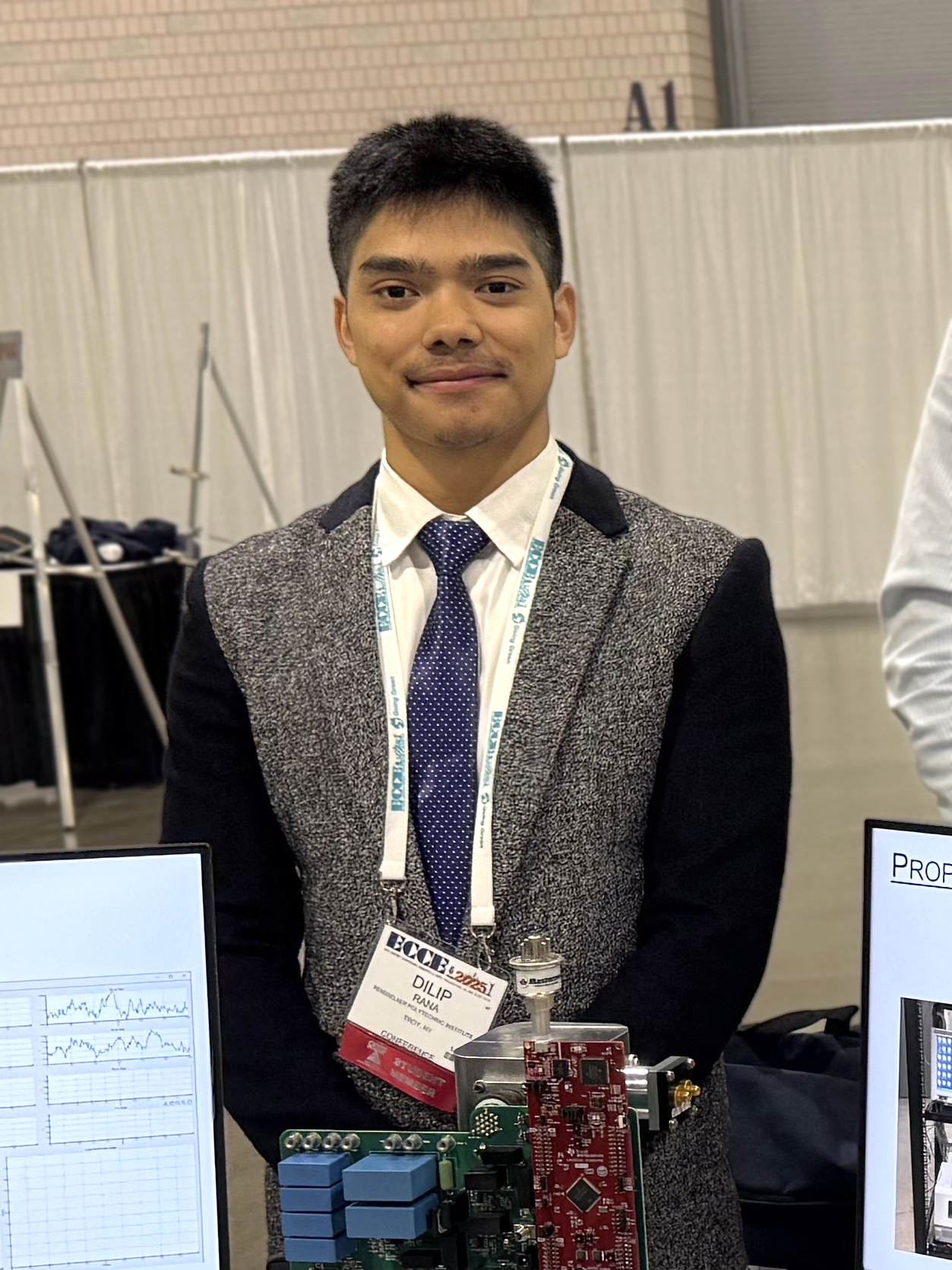
I am currently a graduate research assistant working with Prof. Zheyu Zhang. My work involves the development of cryogenic power electronics using GaN HEMTs and characterizing their reliability. This involves tasks such as developing converters and reliability platforms, setting up automation and interpreting test results.

 Embedded Hardware Engineer

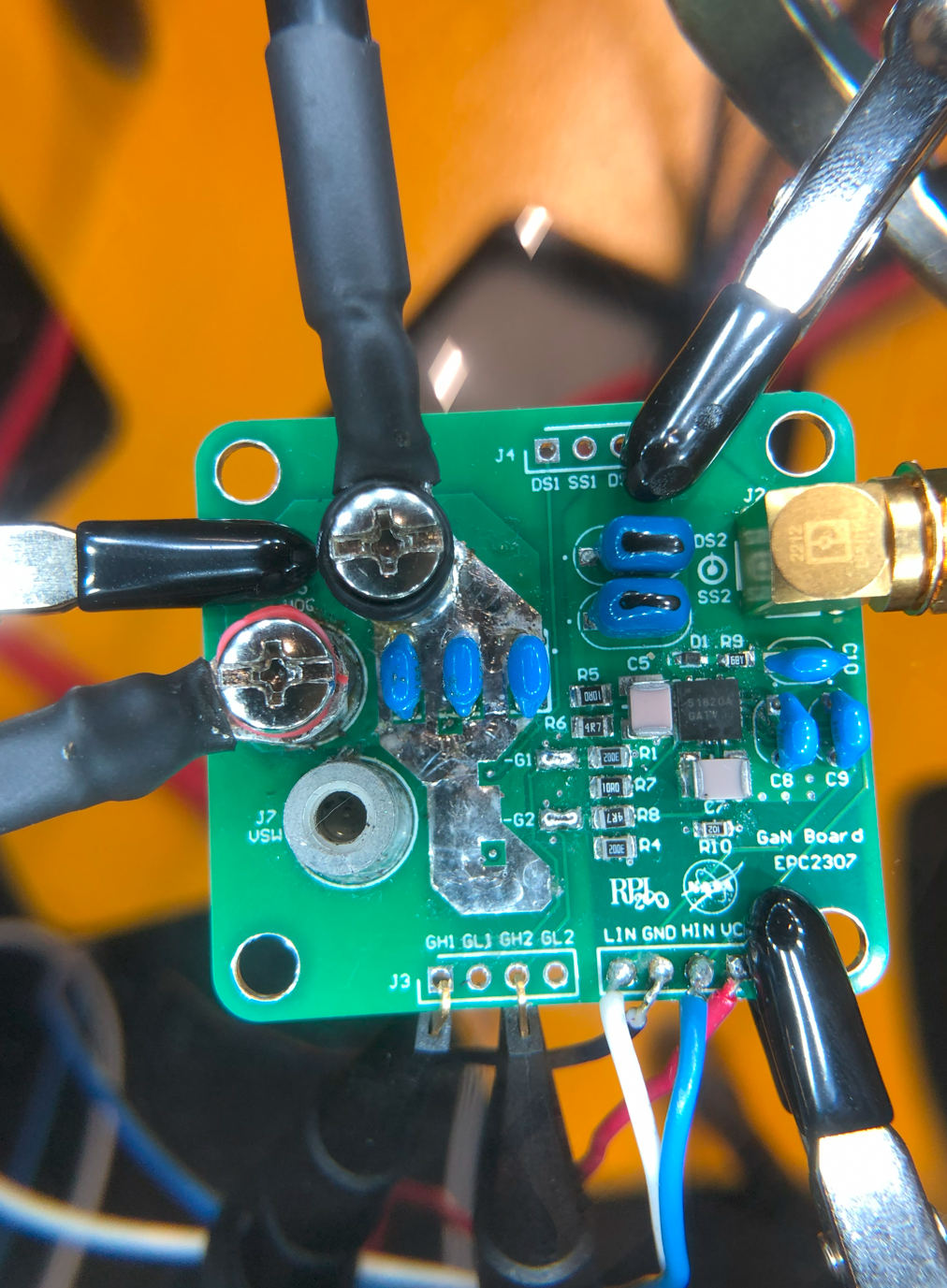
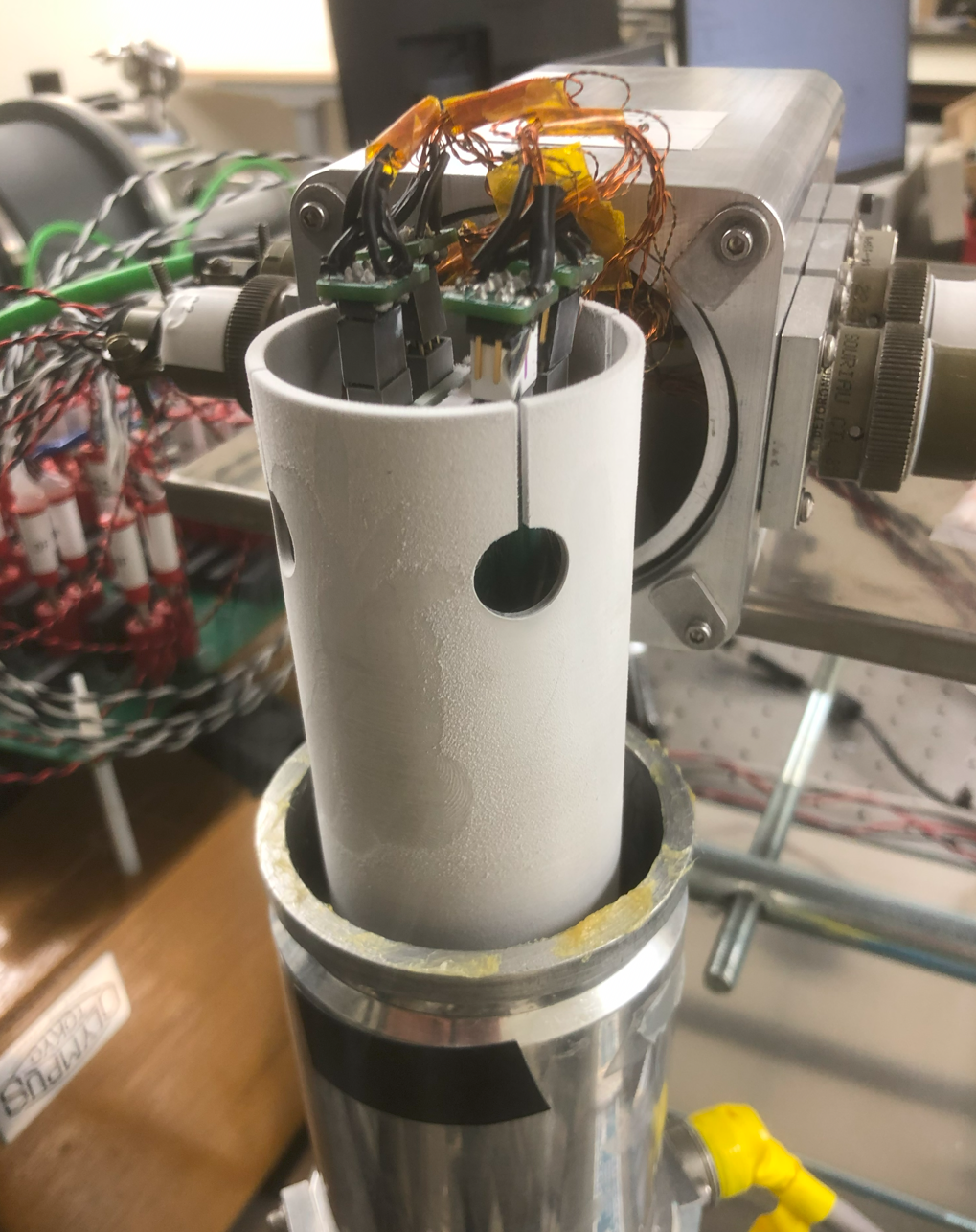
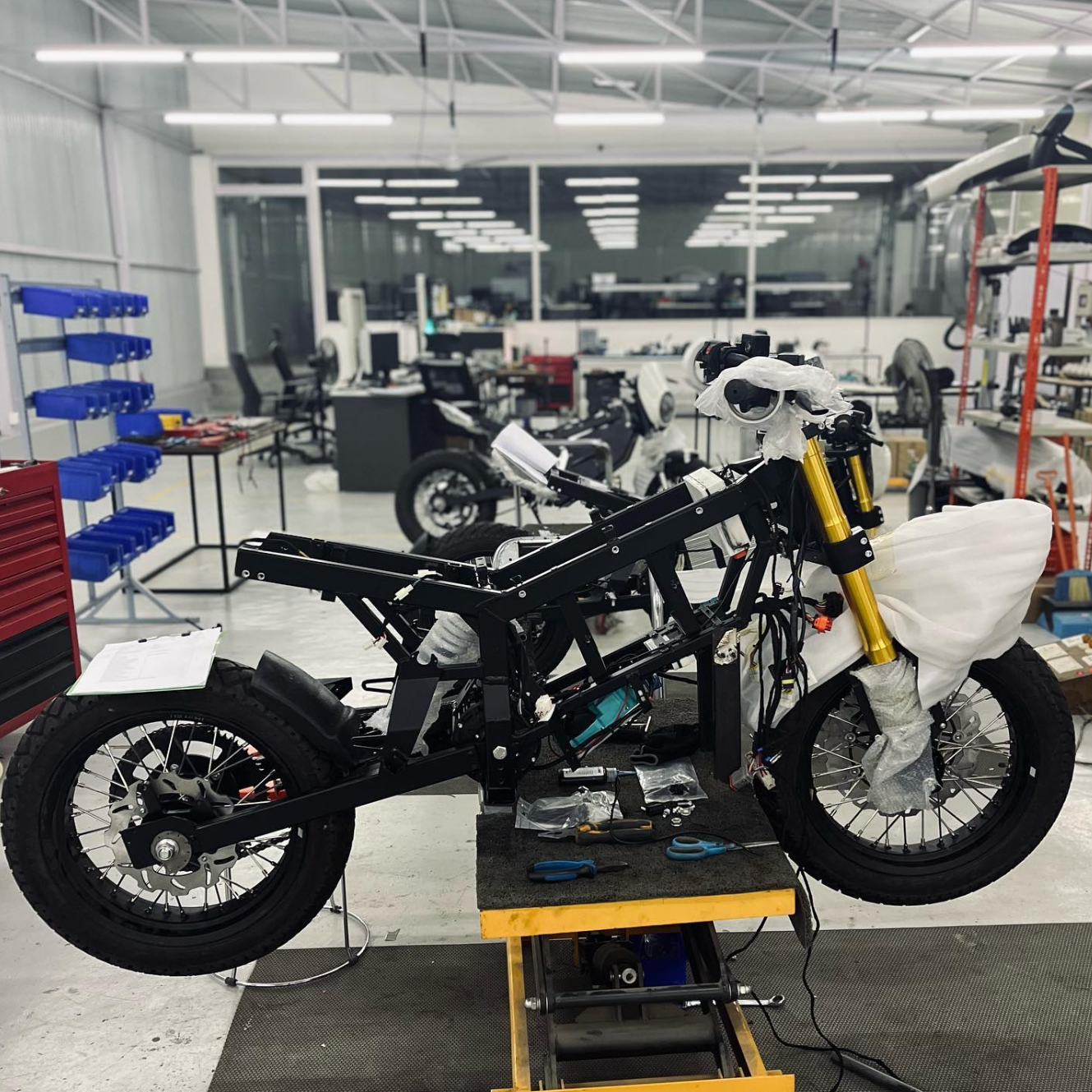
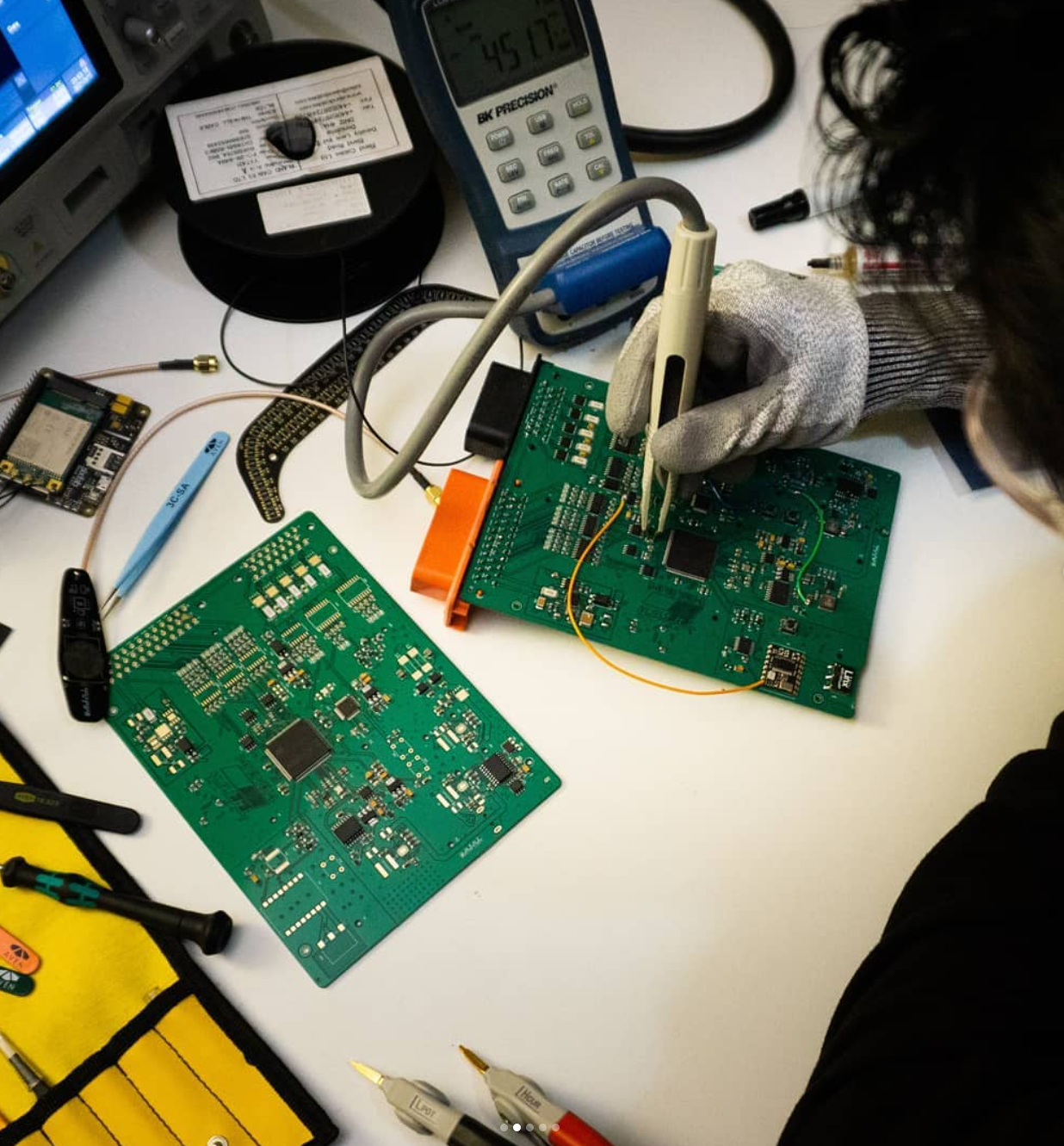
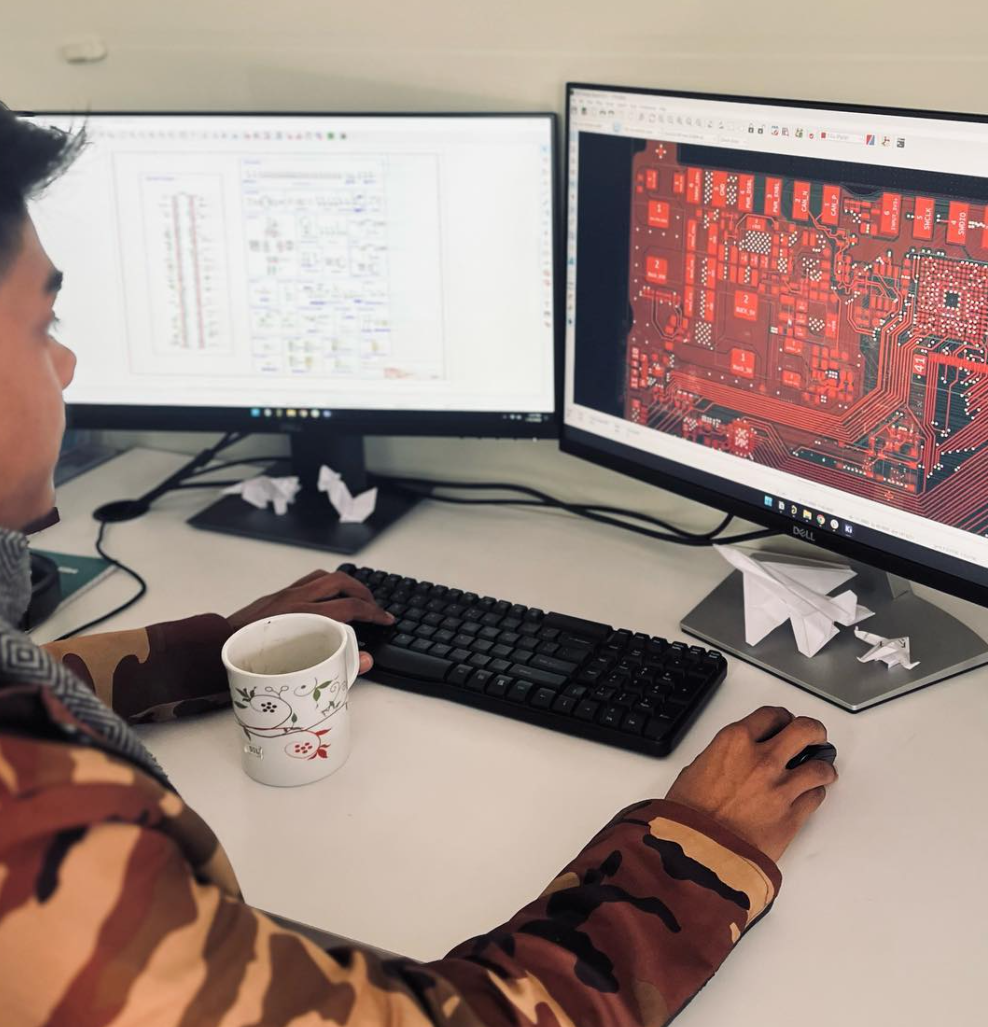
Following a three-month internship, I joined Yatri Motorcycles as a full-time Embedded Hardware Engineer. I was involved in the design, testing, and implementation of critical hardware components for vehicle embedded systems, including the Vehicle Control Unit (VCU), power relay boards, and more.
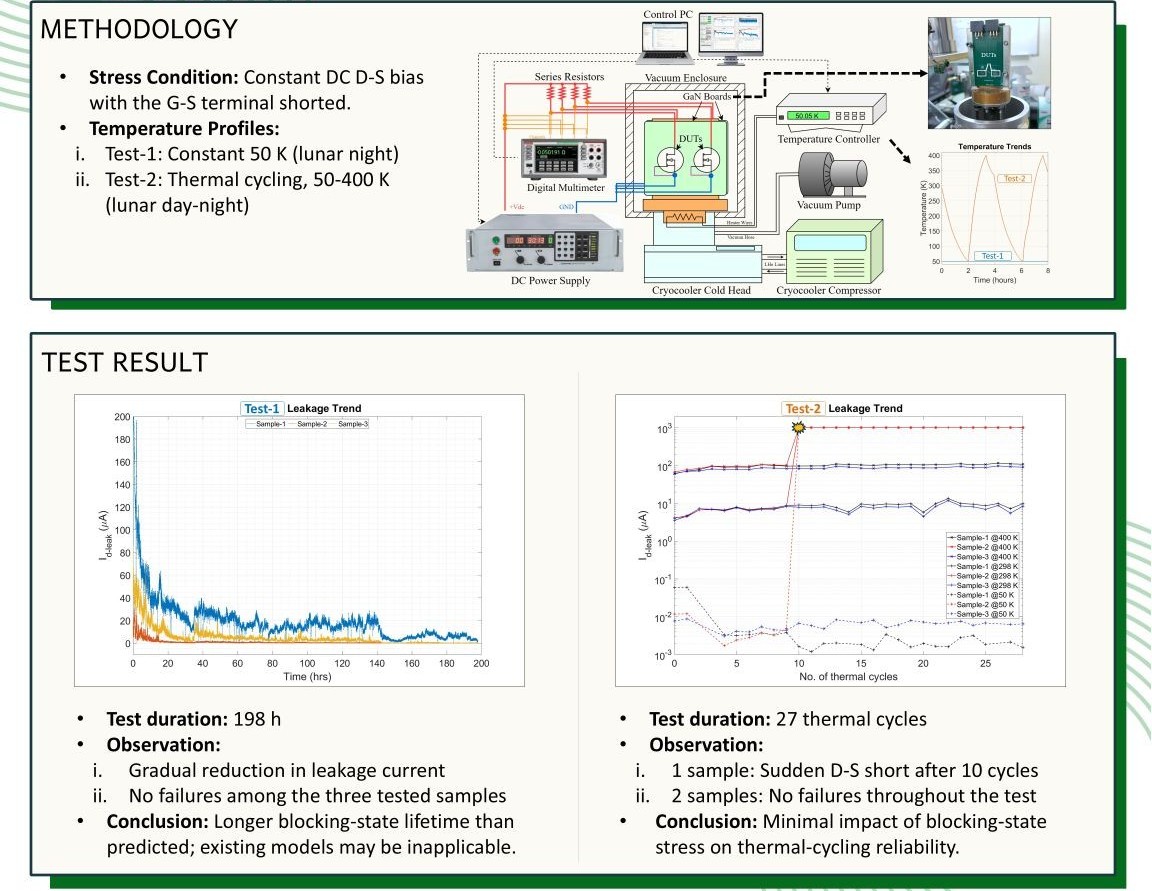
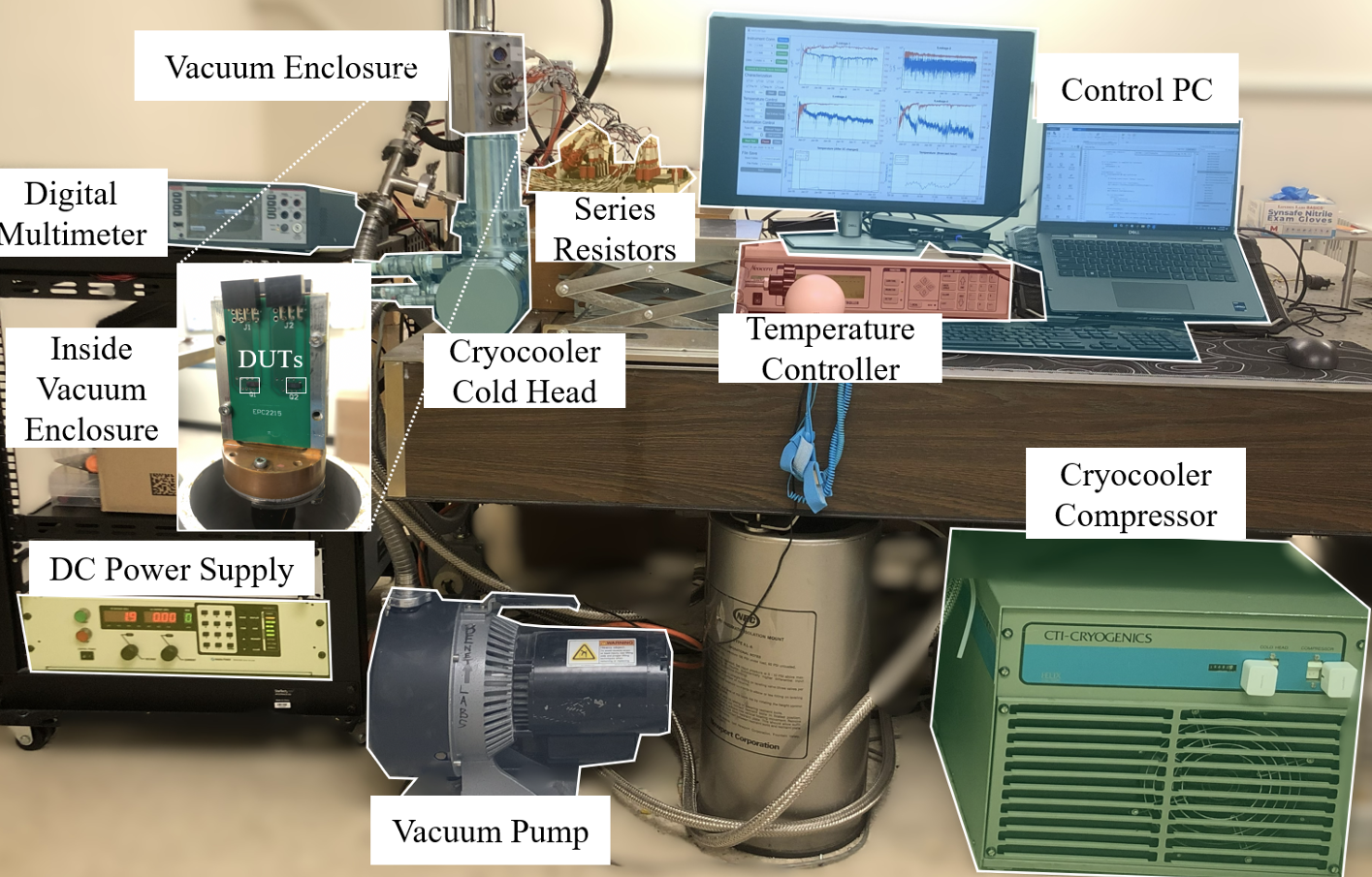
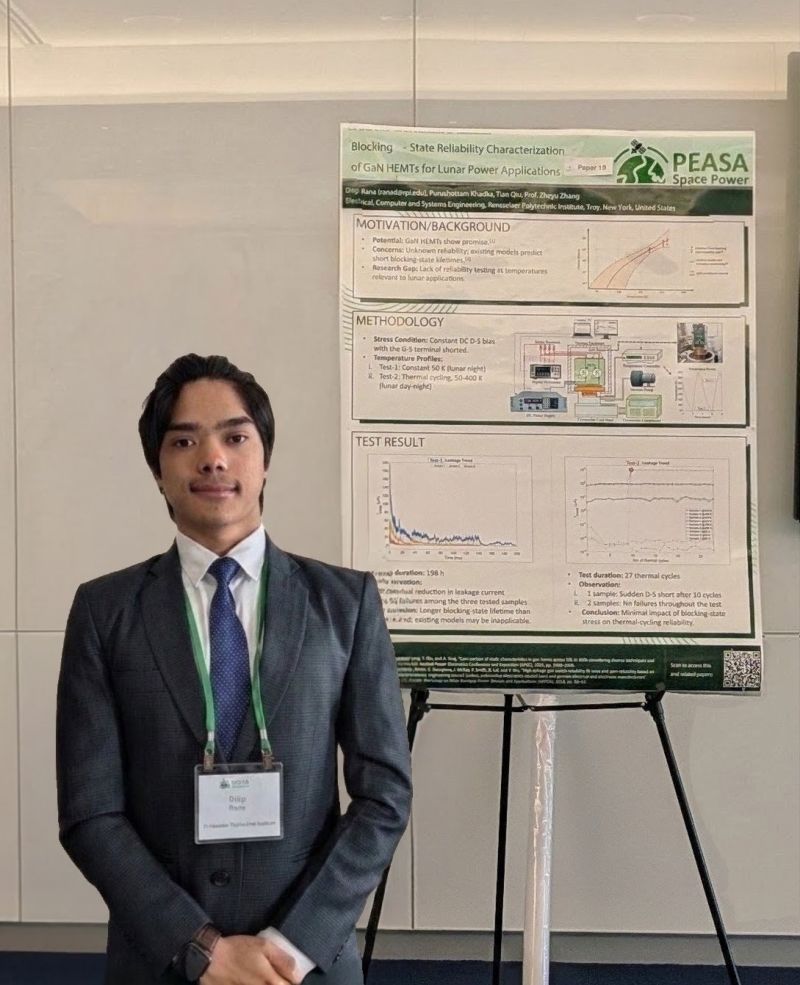
Abstract: Gallium nitride (GaN) high-electron-mobility transistors (HEMTs) have shown strong potential for lunar power applications due to their superior performance demonstrated through various characterization studies. However, their blocking-state reliability under lunar operating conditions remains uncertain, as existing reliability models predict severe degradation at cryogenic temperatures. In this paper, we present the blocking-state reliability characterization of commercial GaN HEMTs under lunar-relevant operating conditions. The reliability test platform and methodology are first presented, including two distinct temperature profiles to evaluate device reliability during lunar night operation and the lunar day–night cycle. The results from both tests demonstrate that the blocking-state lifetime of GaN HEMTs significantly exceeds the predictions of existing reliability models, indicating that existing models are not directly applicable to such extreme temperature conditions. Under thermal cycling conditions, only one of three samples failed, providing valuable insight into the influence of blocking-state stress on overall device reliability in lunar-relevant environments.
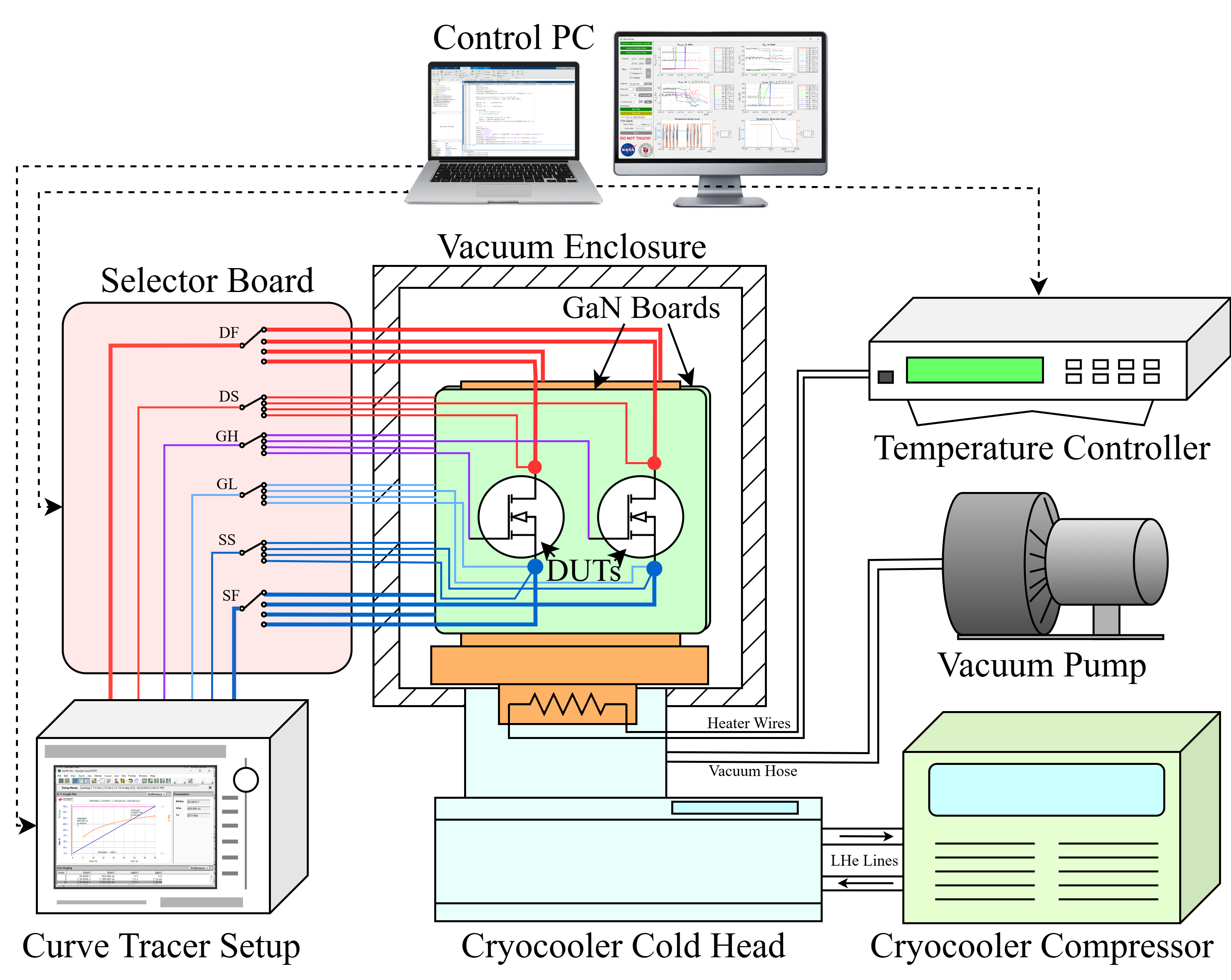
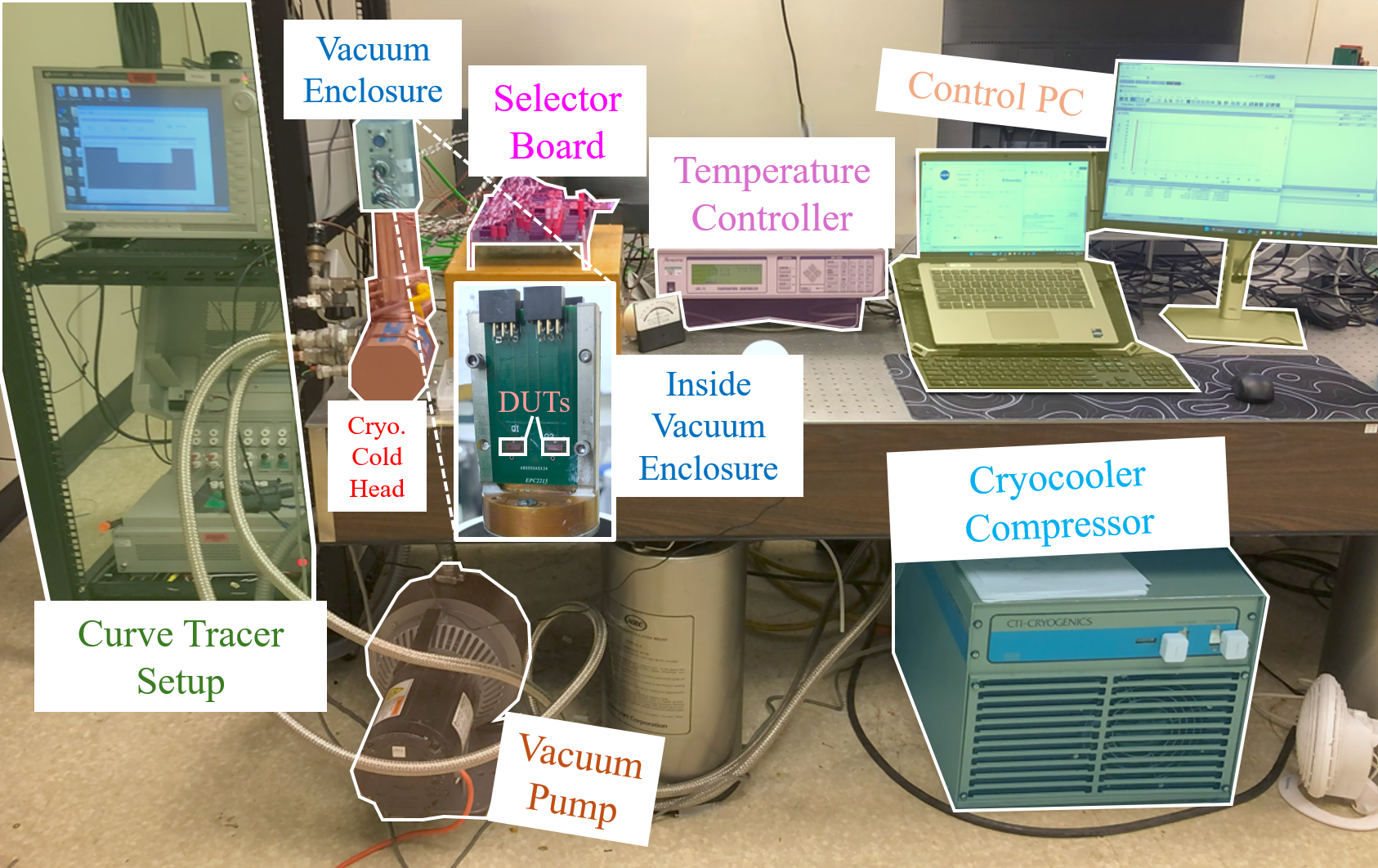
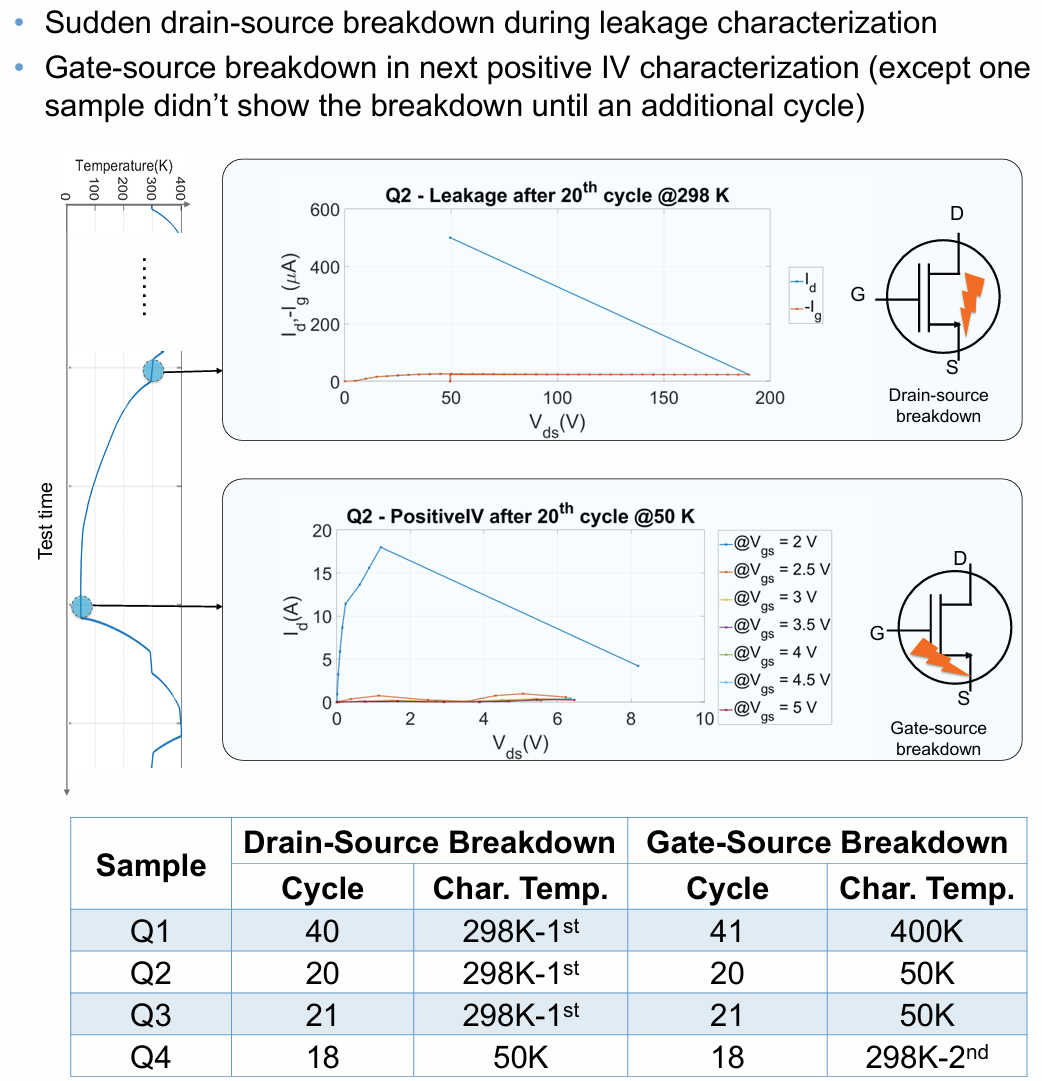
Abstract: Gallium nitride (GaN) high electron mobility transistors (HEMTs) are attracting increasing attention for future space power applications due to their ability to operate at cryogenic temperatures. While GaN reliability is gradually being explored, studies specifically focused on space applications, where operating temperatures can fluctuate significantly from cryogenic to high temperatures, remain largely unexplored. This paper investigates the thermal cycling reliability of commercial 200 V GaN HEMTs by applying thermal cycles between 50 K and 400 K, mimicking lunar day-night cycle, and performing characterization throughout the stress cycles. The characterization data were analyzed to track parameter shifts and cycles to failure, which were also used to perform Weibull fitting and quantify uncertainty ranges. The results reveal negligible gradual degradation followed by abrupt failure, a behavior not commonly reported in prior GaN thermal cycling studies. The observed failure pattern was further examined and found to involve two distinct events: drain-source breakdown and gate control loss, while freewheeling conduction remained nearly unaffected. In addition, a supplementary test was performed to evaluate the effects of both characterization and thermal cycling on device failures, and the observations are reported.
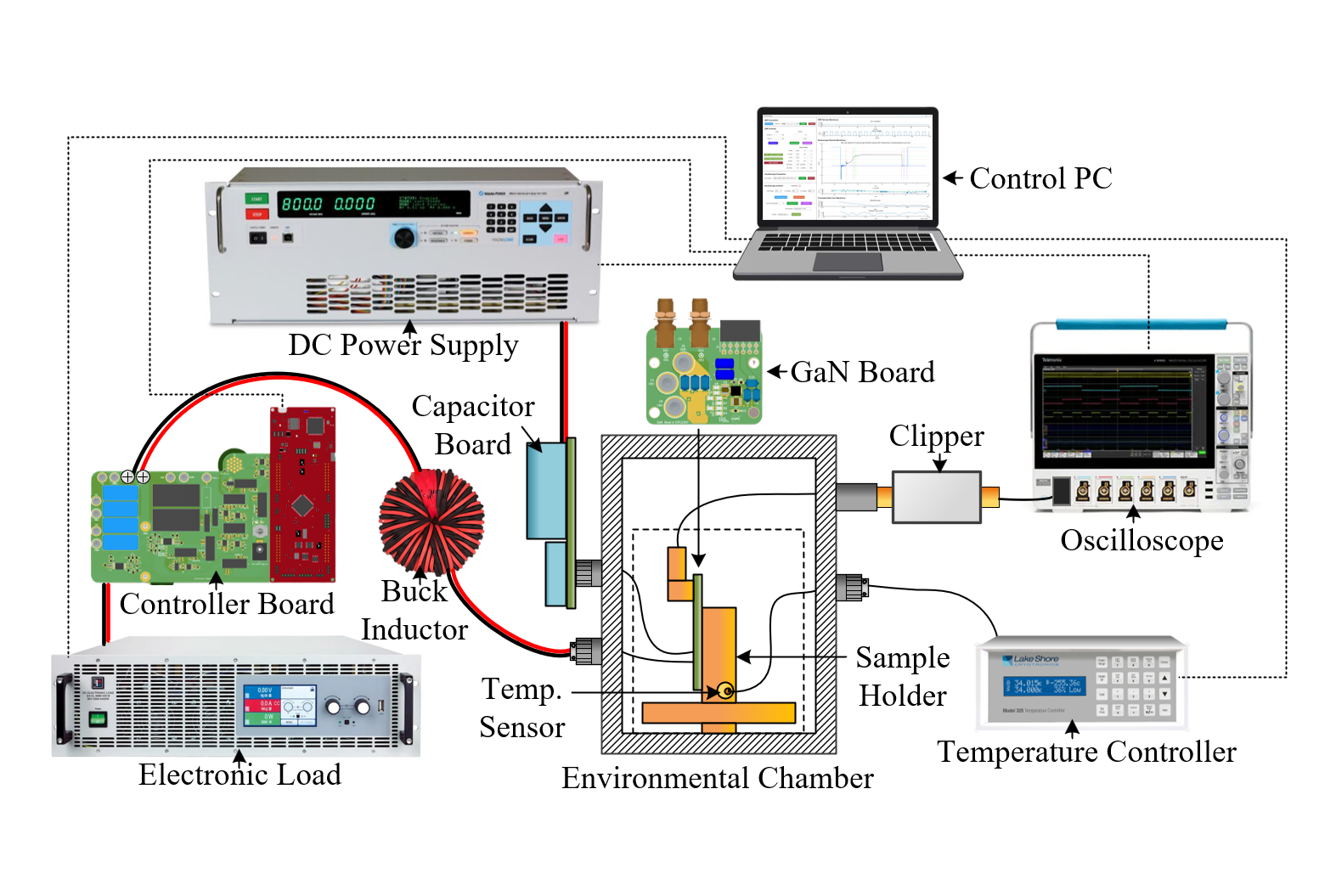
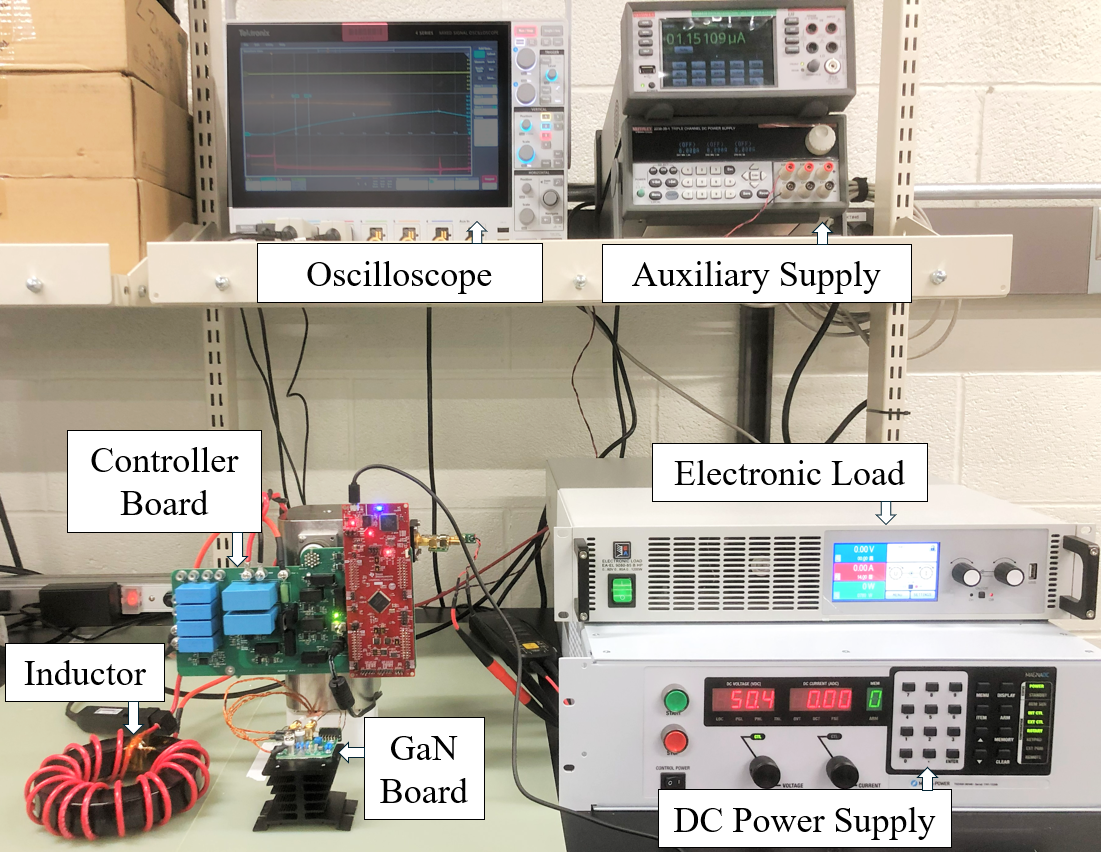
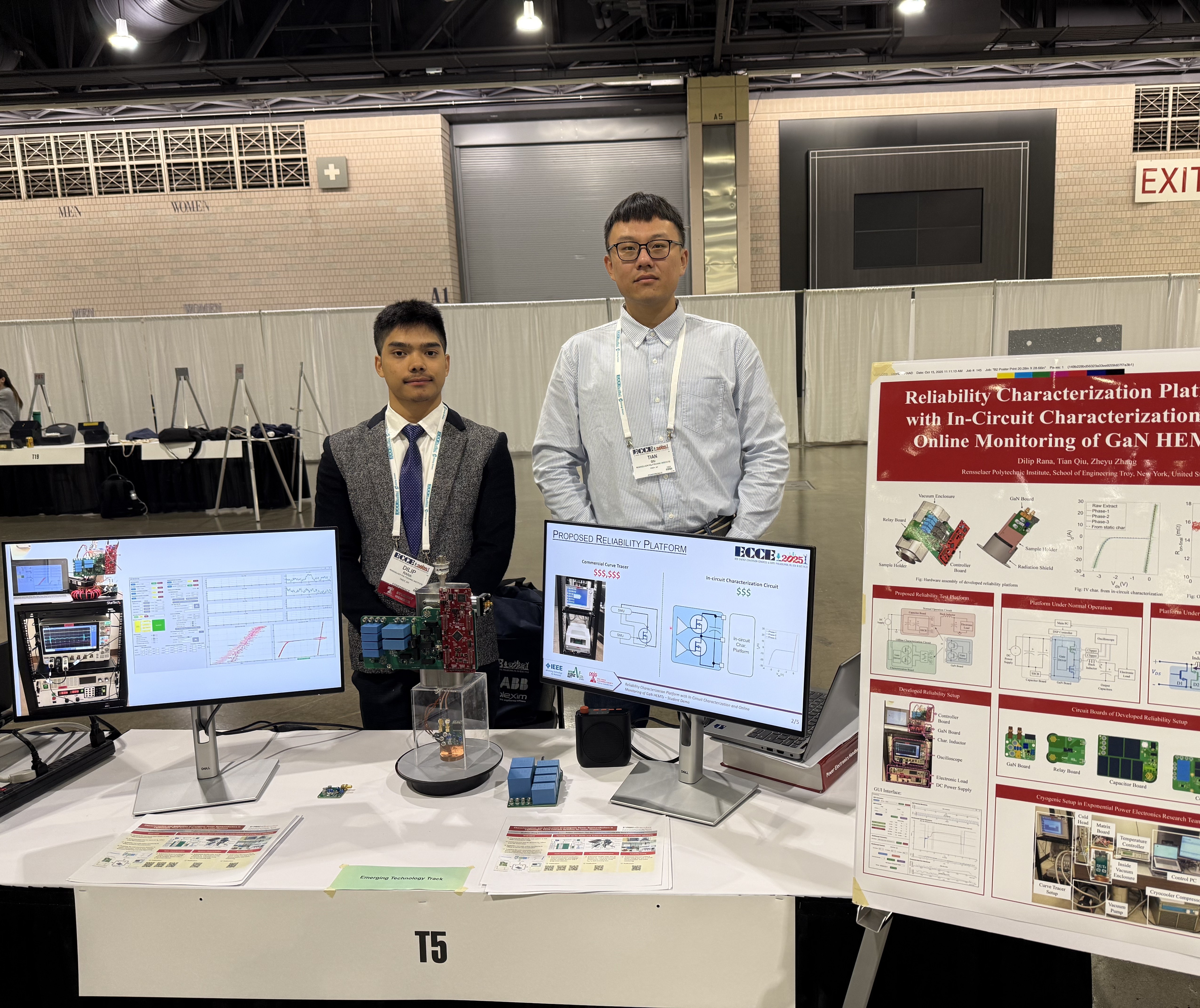
Abstract: Realistic emulation of application operating conditions and effective degradation tracking are essential for accurate reliability assessment of power semiconductors. For gallium nitride (GaN) high electron mobility transistors (HEMTs), even minor modifications to the gate and power loops-introduced for online monitoring or offline characterization-can significantly alter stress dynamics due to the high sensitivity of circuit par-asitics at fast switching speeds. This paper presents a universal reliability test platform for GaN HEMTs, applicable across a wide range of power electronic applications, that accurately emulates application-level stressors while supporting both online degradation monitoring and a novel offline in-circuit characterization approach. An overview of the test platform is first presented, covering its implementation and control strategy. The normal operation mode is then described alongside the real-time degradation tracking methodology. A circuit-based offline characterization method is subsequently presented, enabling extraction of I-V characteristics directly from the device within its operating circuit without hardware modifications. Finally, the platform is experimentally validated using commercial GaN HEMTs stressed in a synchronous buck converter configuration, confirming its accuracy and practicality for both online monitoring and offline characterization.
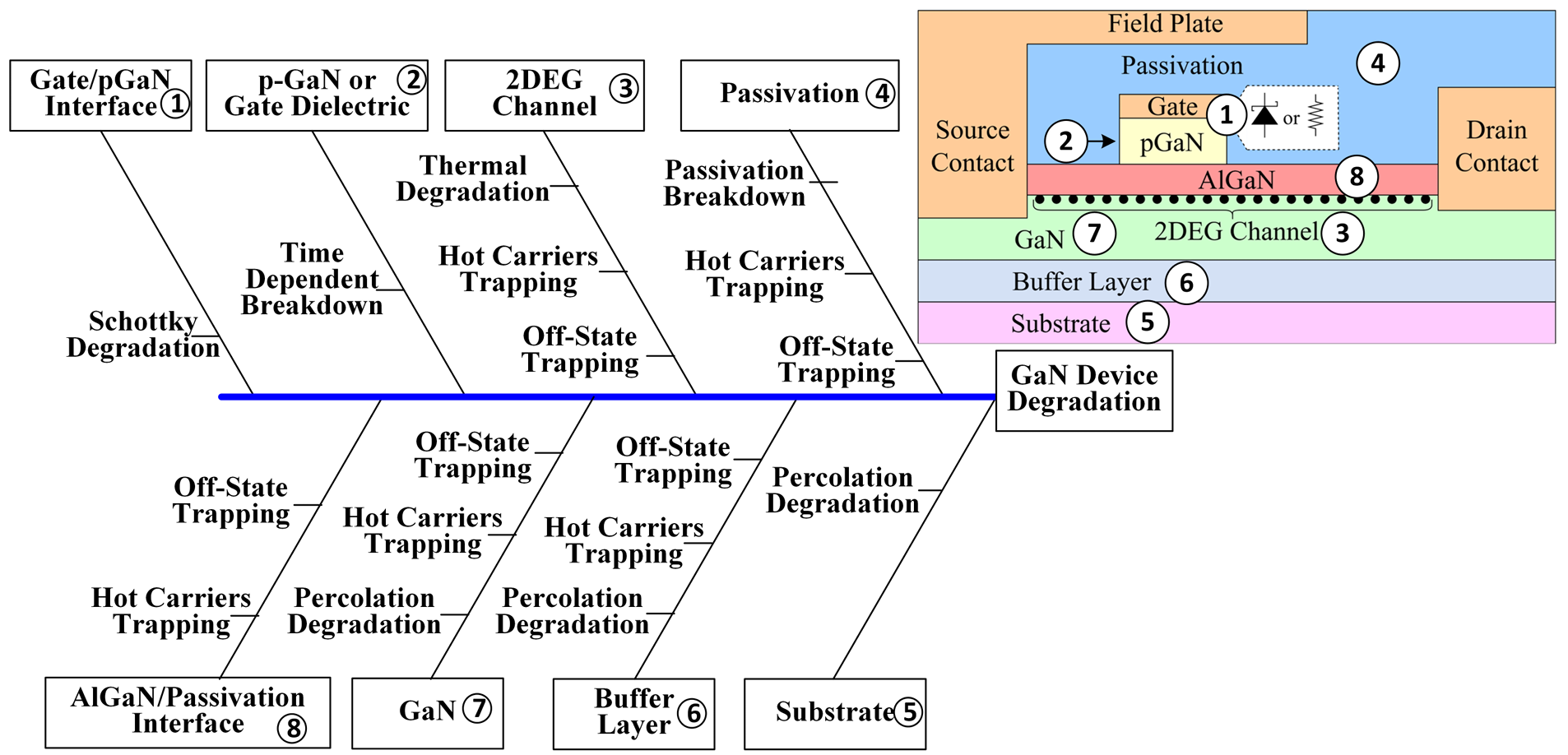
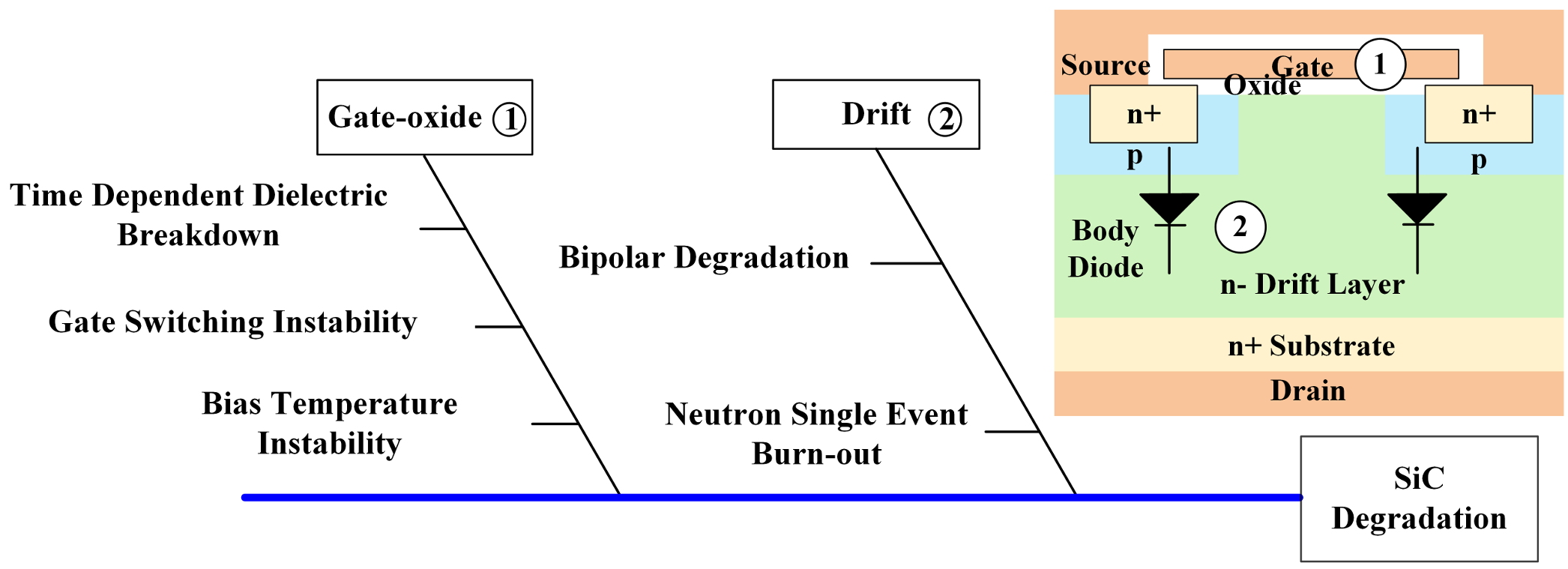
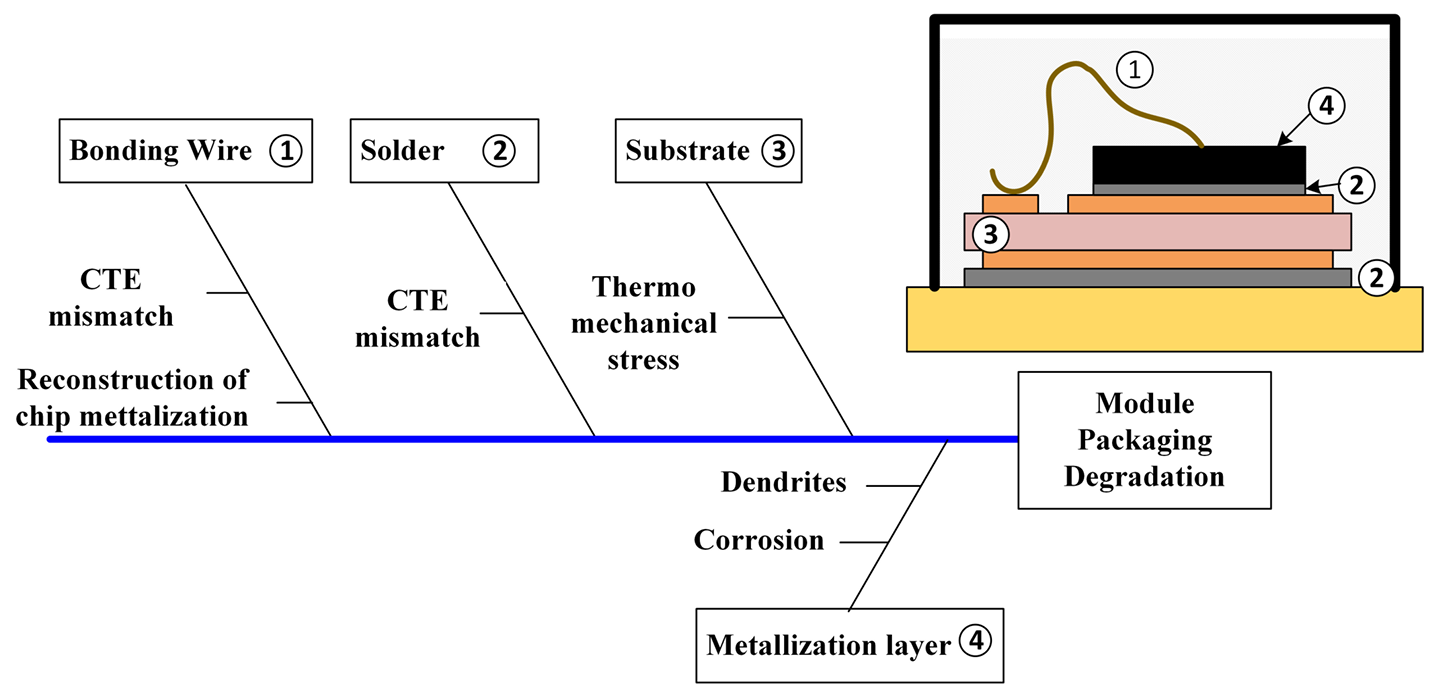
Abstract: The reliability of power electronic (PE) systems is becoming increasingly critical as these technologies are integrated into mission-critical applications. Accurate lifetime prediction for high-failure-rate components, such as power semiconductors and packaging, is essential for ensuring long-term efficient system performance. However, developing high-fidelity lifetime models requires a thorough understanding of underlying physics-of-failure (POF) mechanisms and extensive stress testing, which is often prohibitively costly and time-consuming when conducted individually. This study addresses these challenges by establishing a centralized reliability database, developed through a comprehensive survey of failure mode and effects analysis (FEMA) for the most vulnerable components in PE systems. Lifetime models associated with dominant failure mechanisms are compiled and standardized, including the extraction of key model coefficients, to support consistent and efficient reliability assessments. The resulting database serves as a valuable resource for benchmarking and guiding future research. The focus is placed on wide bandgap (WBG) power semiconductors and module packaging, two of the most failure-prone elements in modern power electronic converters. Additionally, this study identifies existing research gaps and proposes a structured roadmap for advancing the development of a comprehensive reliability database.
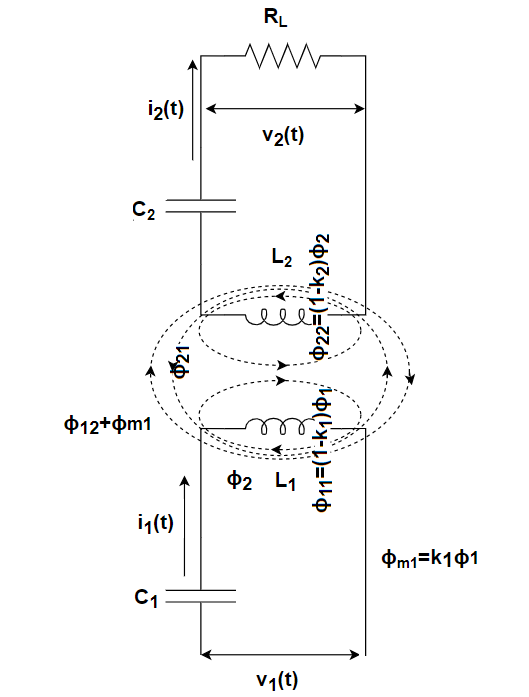
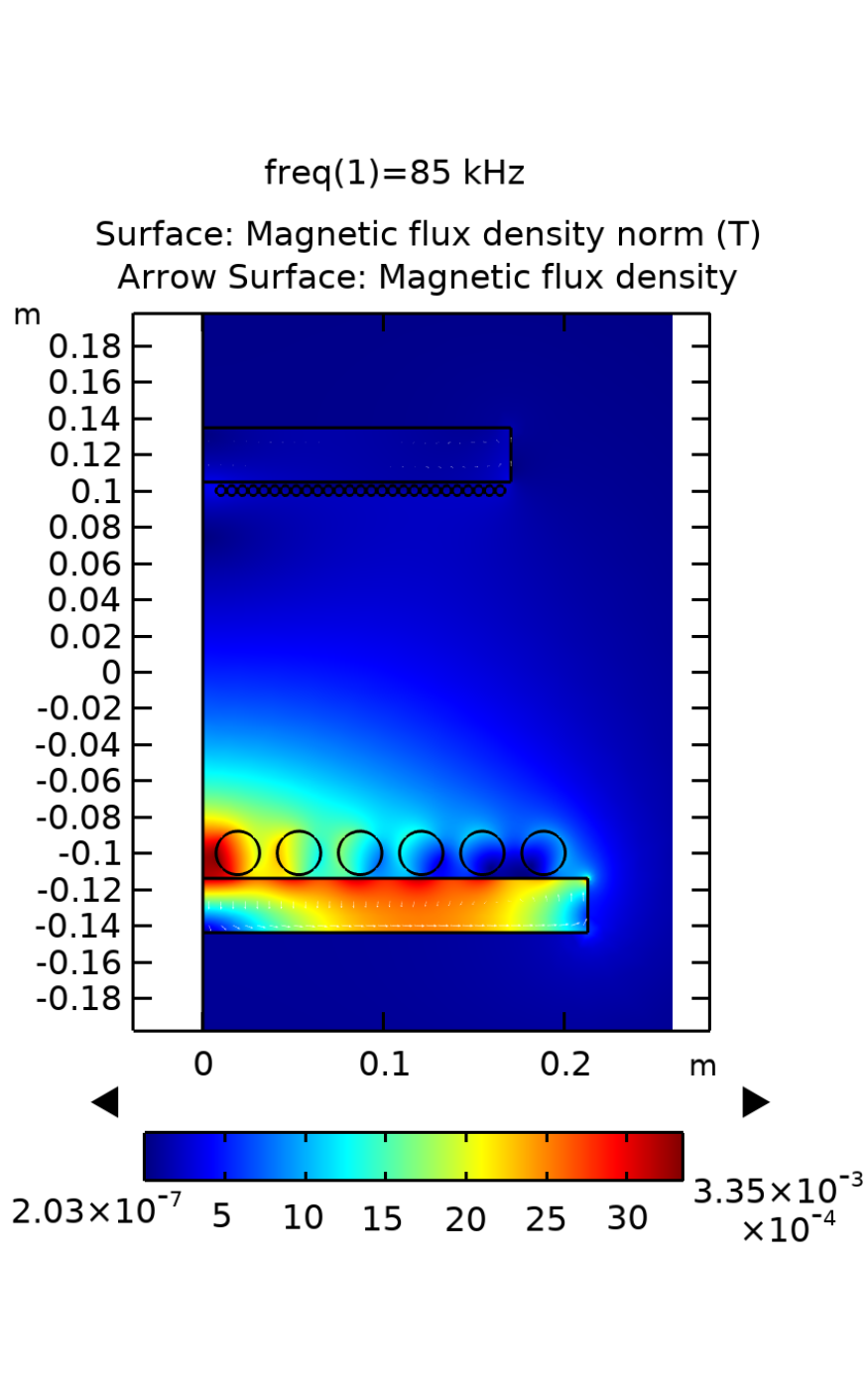
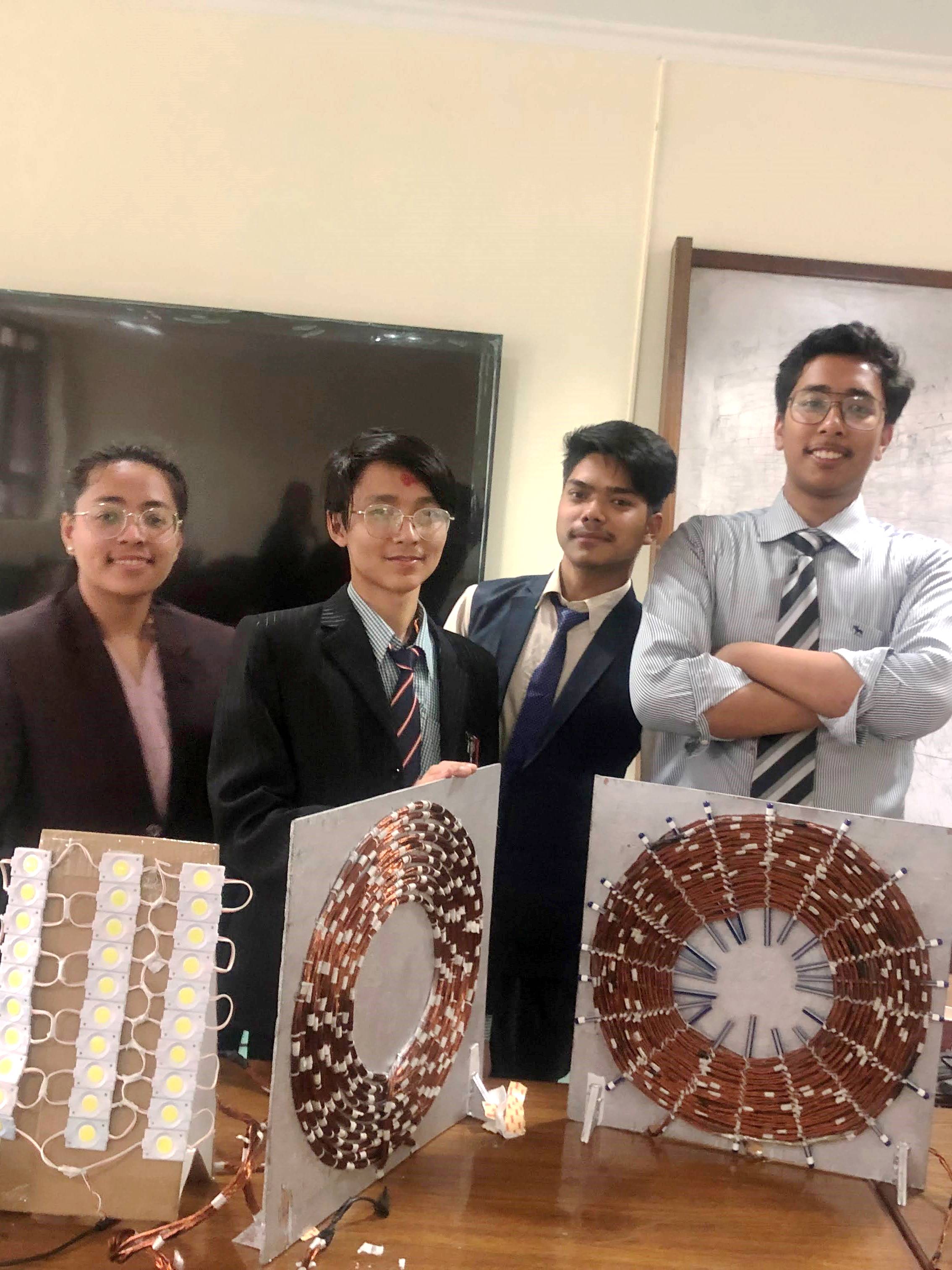
For our year-long undergraduate capstone project, we designed and optimized a wireless power transfer system for a commercial electric scooter. We successfully demonstrated a working hardware prototype, which was well received by the department.
What: Simulation and hardware prototype development of inductive resontant coupling based wireless power transfersystem for electric scooter - transfering power from ground pad to coil at base of the scooter.
How:
- Design and optimization of coil design at given constraints in COMSOL Multiphysics Tool
- Design of half bridge inverter with inductive power transfer using S-S topology
- Design of gate driver circuits using isolated-tranformer topology
- Development of hardware prototype using matrix board and off the shelf parts
- Successful design and demonstration of working prototype on project defence
- Optimized coil design within dimensional constraints and limiting maximum flux density to 80 mT
- Working hardware prototype with power transfered upto 150W achieving maximum power transfer efficiency of 90%
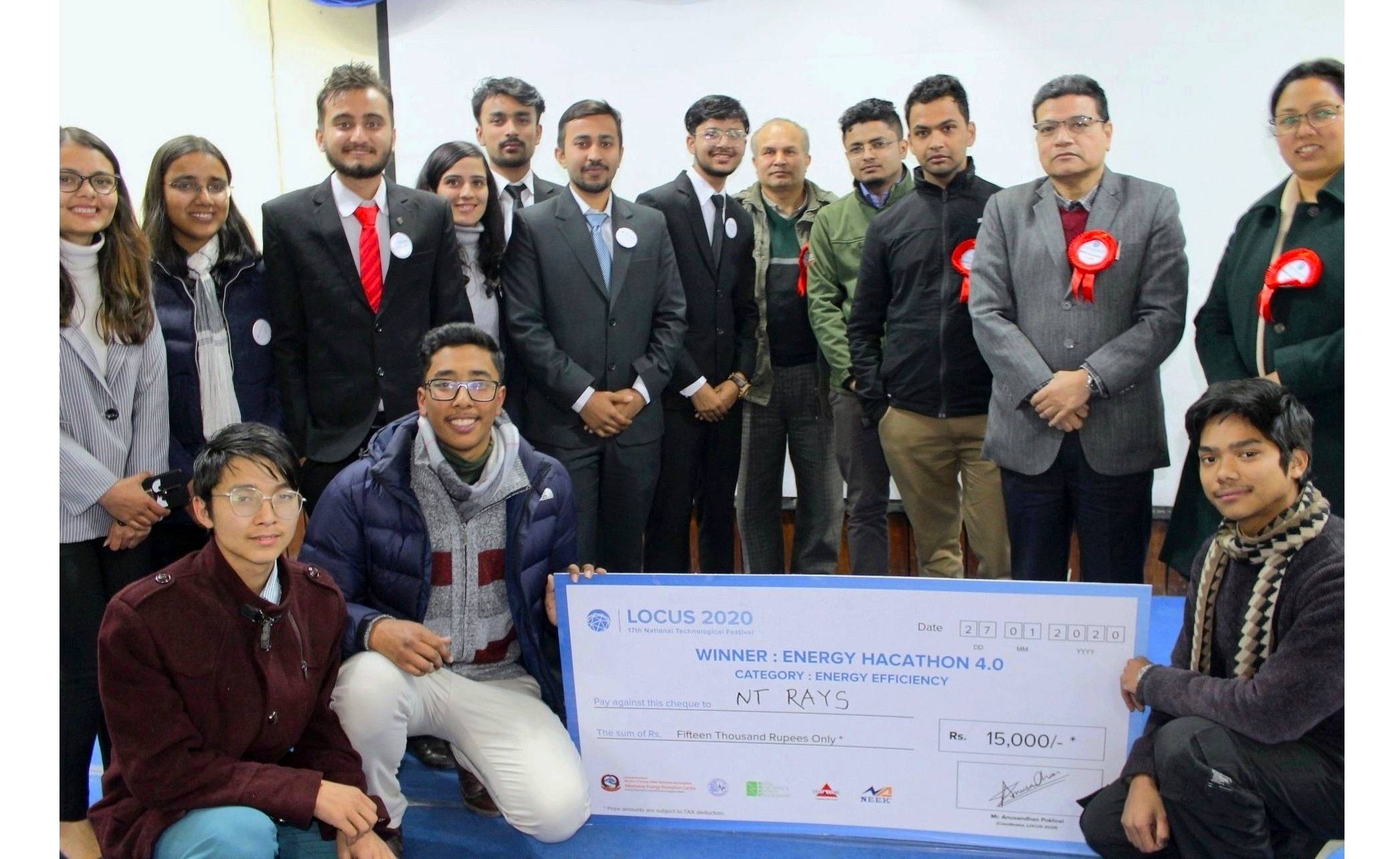
As part of an energy hackathon organized to explore sustainable solutions, we studied the feasibility of replacing traditional LPG-based cooking in the Kathmandu Valley with an induction heater-based approach. Our analysis considered projected energy generation and demand trends over the next five years. To support the case for local adoption, we built a functional induction heater prototype demonstrating the potential for in-country production. Our team won the hackathon in the efficiency category.
Collaborators: Abinash Man Karmacharya, Peter Multiverse (Ganesh Rai), Anjana Shrestha
What: Case study of induction heater cooking to replace LPG cooking in Kathmandu Valley with in-country manufactoring
How:
- Use of official Nepal Electricity Authority (NEA) data for demand and generation of electrical energy
- Local manufactoring of induction heaters for cost effective heaters production
- Comparison and feasibility of the induction heater based solution at peak loading hours
- With clear upward generation trend surpassing electricity consumption demand, the study showed that future generation is capable of providing heater cooking demand
- Comparing cooking cost to LPG cooking revealed about 50% save in energy cost
- Updating grid side stability components and infrastructure revealed the shorter payback period
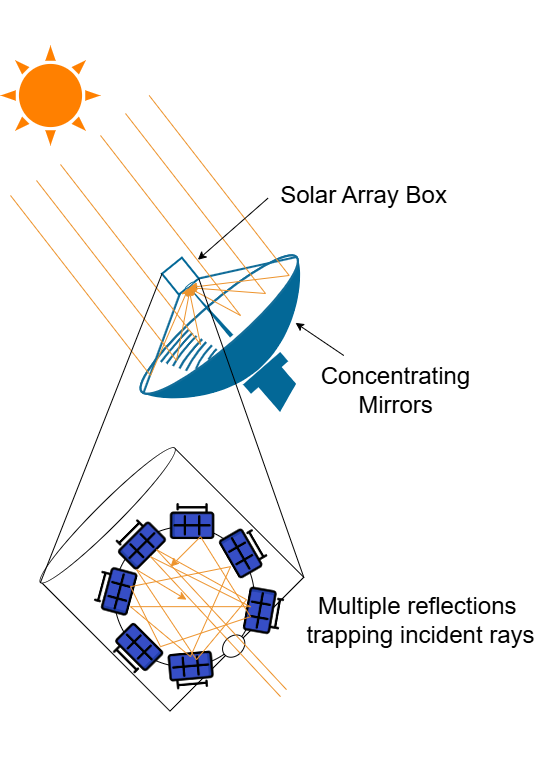
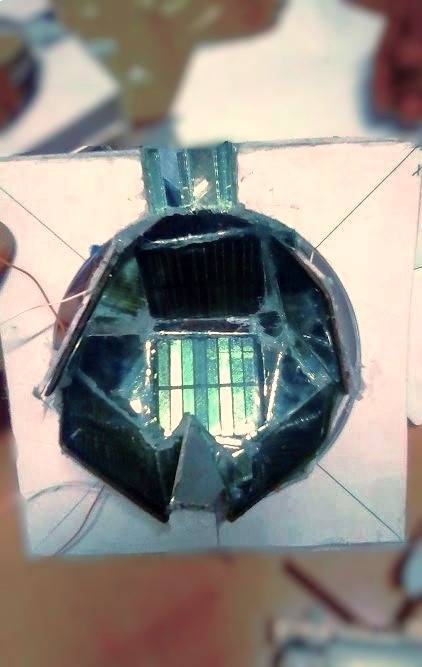
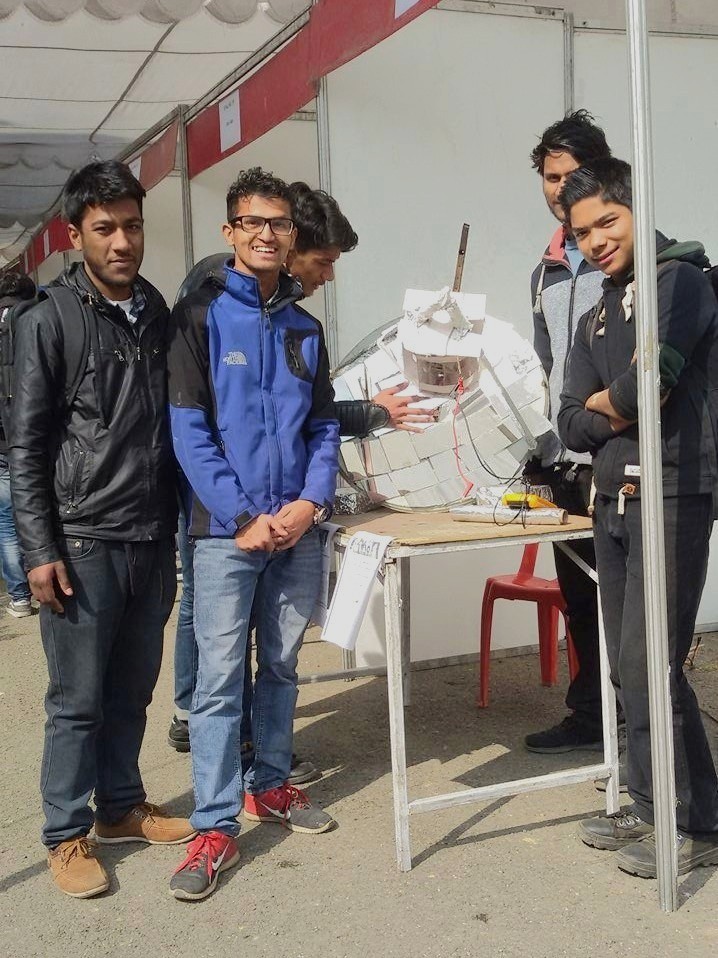
In Himalayan regions, solar panels operate under significantly lower insolation, reducing their power output and overall feasibility. To address this, we designed a system that improves panel efficiency by concentrating solar rays and minimizing reflection losses through effective light trapping.
What: Ferrous black body inspired solar rays concentraing system to improve utility of solar panels
How:
- Large parabolic rays concentraing disc panel to increase solar intensity to panels
- Solar box to trap incident rays to reduce losses in reflection
- Use of mirros to fill in gaps to redirect rays
- Upto 50% increase in open circuit voltage